

Crashworthiness attorney Todd Tracy investigates whether vehicles failed to protect occupants in otherwise survivable crashes. Trained in physics and operating a Crash Lab, Tracy builds cases around forces, biomechanics, mapping, and crash testing to show how roofs, doors, seats, airbags, or prior repairs can turn collisions lethal. A marquee example is the $42 million Seebachan verdict, where a 2010 Honda Fit became a fireball after an improper roof repair, spotlighting collision-repair standards. Other reporting describes claims involving head-restraint failures and severe spinal injury. Tracy also engages the safety debate, including federal roof-crush policy. Families are urged to preserve vehicles and evidence quickly.
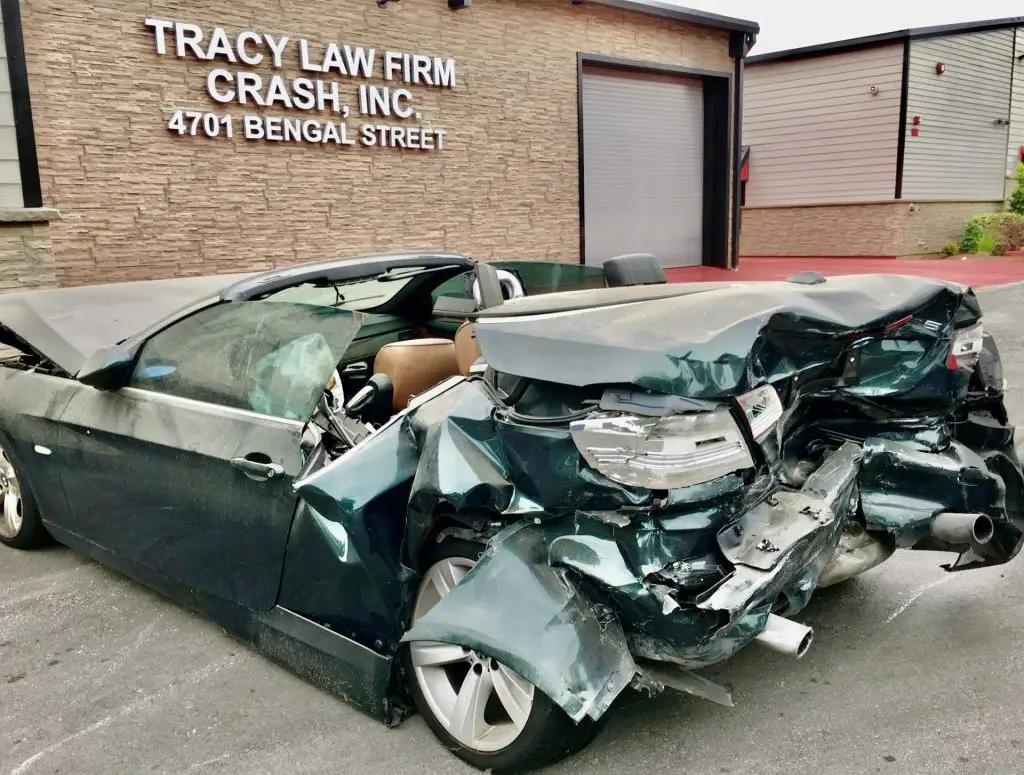
Wrecked Vehicles Tell The Truth
Tow trucks carrying wrecked vehicles regularly roll up to the door of Todd Tracy’s Crash Lab in Dallas, Texas.
Inside, row after row of vehicles bear witness to violent crashes that claimed lives or inflicted life-changing injuries.
Standing there, you learn a harsh truth about modern crashes. Survival is not only a matter of how a collision begins. It is also a matter of how the vehicle performs during the chaos that follows.
Did it hold its shape and keep people inside? Did seatbacks break and crush children seated behind? Did the safety systems do what the manufacturer’s engineers promised they would do? There are a myriad of safety questions to be answered.
When those systems fail, a crash that should have been survivable can turn lethal.
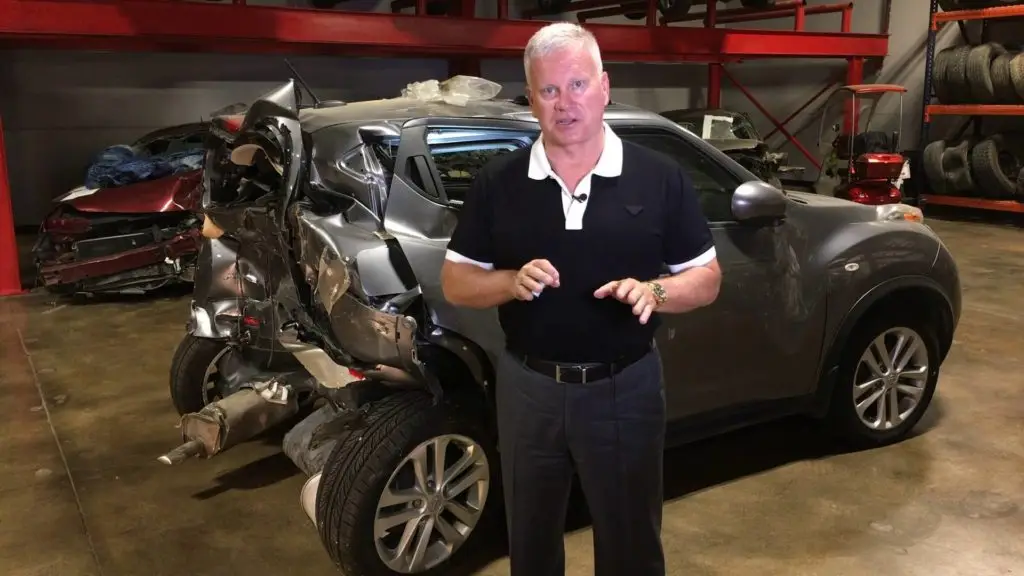
Todd Tracy Finds Why They Should Have Walked Away
Todd Tracy, a lawyer armed with a degree in physics, examines the mangled wreckage to answer this most important question. Should they have walked away?
The evidence is not subtle if you know where to look: a roof line that should have held its shape but caved inward; a door that should have stayed latched but opened under load; a seat track that should have locked but failed; an airbag system that should have protected a human head but never showed up in time or at all.
In this world, the central question is not who caused the crash. It is whether the vehicle did what modern engineering and federal safety policy assume it will do.
That is the niche that Todd Tracy has built into a national practice: crashworthiness and vehicle safety defect litigation, the kind of cases that begin where ordinary accident law ends.
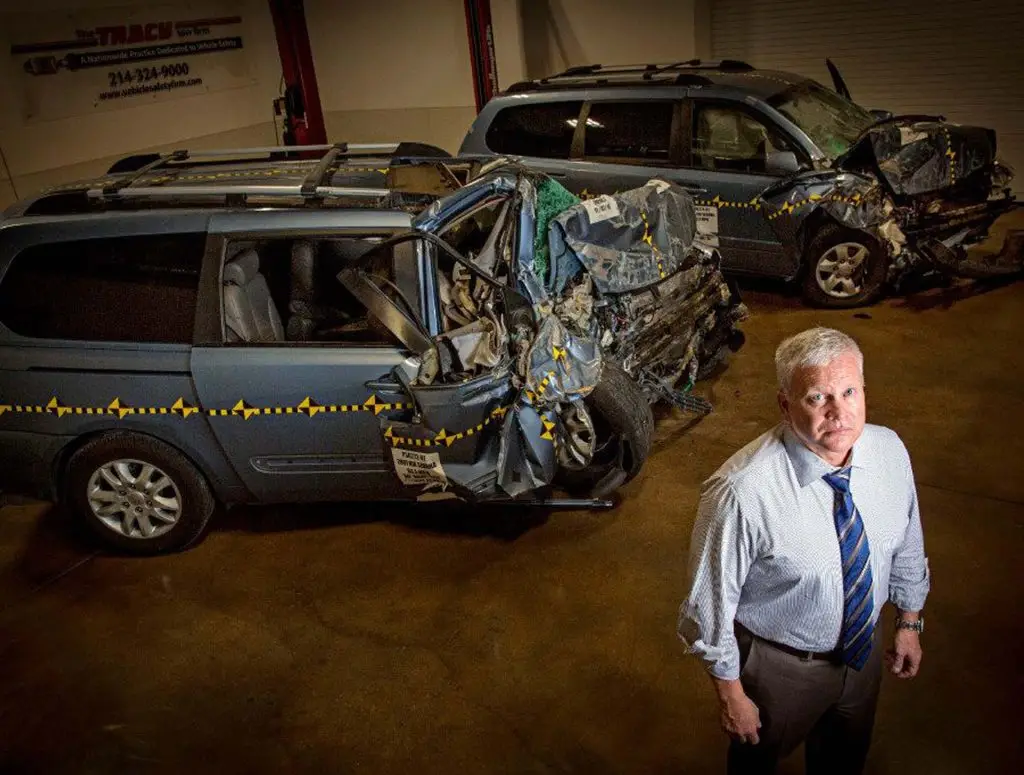
Did A Safety Defect Cause Death or Life-Changing Injuries?
In a 2016 profile, The Dallas Morning News captured the philosophical break in a single line: “I don’t care who was at fault in the accident,” Tracy said, describing a practice that focuses on what caused “the injuries or death.”
Todd Tracy is among the few lawyers who practice Vehicle Crashworthiness. It is the science of preventing or minimizing serious injuries and death following an accident through the use of the vehicle’s safety systems.
When a vehicle’s safety systems fail because of defects or cost-cutting by manufacturers, people suffer death or life-changing injuries.
In the courtroom, crashworthiness is an argument over design promises, over whether a vehicle’s safety systems preserved survival space and restrained a body the way they were engineered to do.
And Tracy’s public record shows that he has repeatedly taken those disputes to the pressure point that manufacturers and insurers dread most: a jury trial.
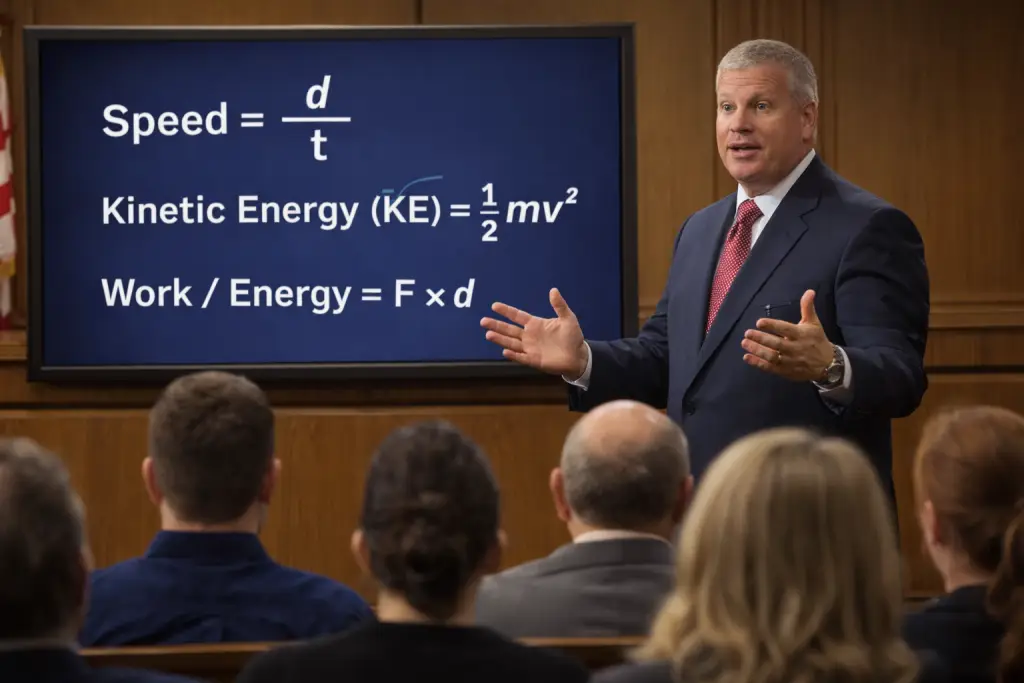
Finding The Truth With Science And Engineering
Tracy plays the role of a high school physics teacher as he walks a jury through evidence supported by physical forces, motion, energy transfer, and biomechanics.
The most convincing evidence of defective safety failures is graphically illustrated in crash tests using state of the art crash test dummies. Tracy is known for “out-crash testing” the manufacturers to demonstrate their engineering flaws.
He has been known to uncover how some of the most prestigious brands claim safe designs, actually fake crash tests featured in their advertising.
The Case That Rocked The Auto Body Repair Industry
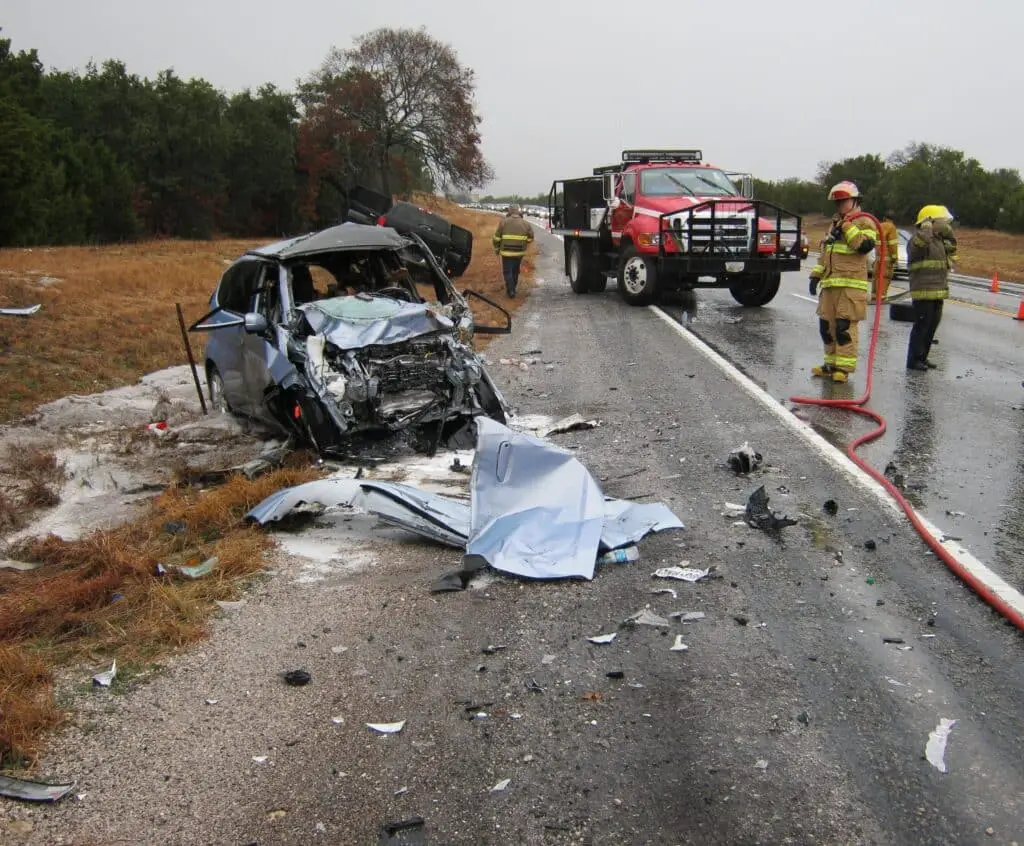
The case that pushed improper repairs into the broader public view in Texas was a million verdict arising from the crash of a 2010 Honda Fit driven by Matthew and Marcia Seebachan.
It was a crash in which the couple should have walked away, as did the occupants of the vehicle who hit them.
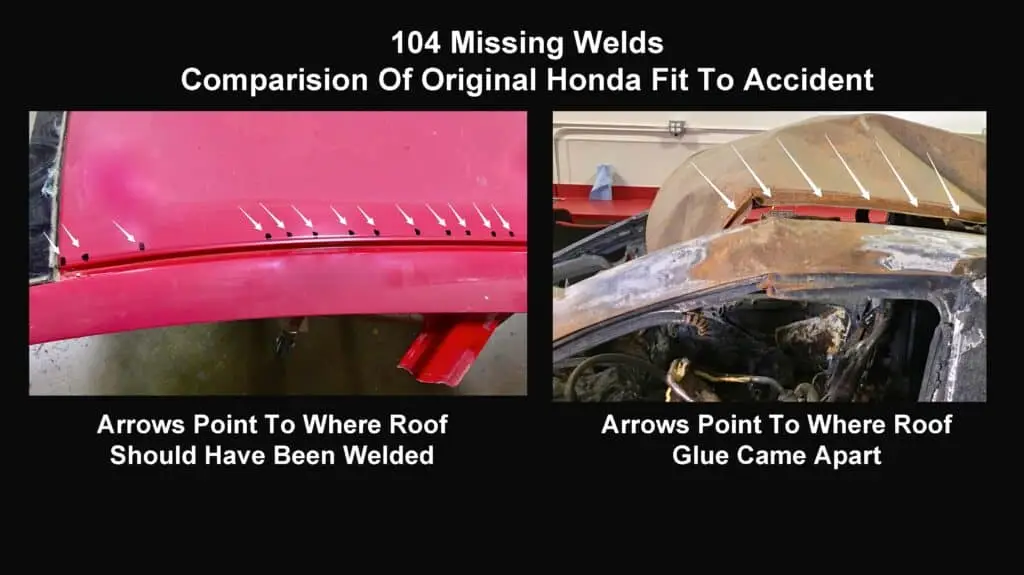
But the crash turned into a castrophic fire ball because of a prior, improper roof repair. The jury found a Dallas-area collision repair business negligent, and damages totaled roughly $41.9 million, with 75 percent of the liability assigned to the shop.
When A Verdict Echoes Beyond The Courtroom
Independent coverage by an NBC DFW television news report described the case as one that “could spark changes in collision repair industry,” reflecting why it resonated beyond the courtroom: it argued that a hidden deviation from manufacturer repair procedures altered the vehicle’s crashworthiness.
Trade outlets dug into the same lesson from different angles. Repairer Driven News reported that the jury tied incorrect repair to the severity of a “fiery crash” and awarded $42 million. BodyShop Business described how Tracy framed the case as a “safety cage” narrative, an approach that makes the stakes legible to jurors who do not speak the language of metallurgy and weld-count specifications.
Building Vehicle Defect Cases Like An Engineer
The Seebachan case also revealed another aspect of Tracy’s model. He is not simply litigating; he builds cases using vehicle engineering, reconstruction, and controlled testing.
His law firm’s “Crash Lab” and the use of forensic tools, such as 3D laser scanning, to document and model wreckage underscore how Tracy goes the distance to prove that manufacturers or repair shops are at fault. That approach is consistent with how crashworthiness claims survive serious scrutiny: not through rhetoric, but through physics, and through exhibits that translate complex failure into something jurors can see.
The Crashes Families Think Are “Ordinary” Until They Aren’t
Tracy’s practice also draws attention because it intersects with a reality that families often learn too late: some crashes that look “ordinary” on paper are, in biomechanical terms, walk-away events until a safety component fails. A 2018 FOX 4 News report on lawsuits alleging vehicle safety defects quoted Tracy warning about head restraint failures in rear impacts and described court filings involving paralysis and alleged “internal decapitation” in what was characterized as a low-speed, survivable crash.
The Moral Center of Crashworthiness Law
That throughline—survivable crash turned permanent tragedy—is the moral heart of crashworthiness law. And it is where the broader public policy question emerges: do these lawsuits do anything beyond compensating victims?
Tracy’s career sits inside a long tradition in which litigation, advocacy, and regulatory pressure move together, each forcing facts into daylight that industries would prefer remain sealed.
From the courtroom to Washington, D.C., Tracy’s cases have prompted federal regulators to improve vehicle safety standards.
What Matters To A Family In The Aftermath
What that means, in plain terms, is that Tracy operates in the overlap between trial litigation and public safety advocacy. He pushes issues like roof strength and occupant protection into forums where regulators and lawmakers weigh evidence, debate standards, and decide whether requirements should tighten.
For a reader who has just buried a loved one or is learning to live with paralysis, traumatic brain injury, burns, or the afterlife of shattered bones, this is the part that matters: Todd Tracy proves the vehicle failed to protect its occupants so they could have walked away.
Why Families Pick Up The Phone Or Click Contact On The Web
And that is also why families call Todd Tracy.
- They call when an adjuster asks questions that feel too small for the size of the loss.
- They call when the police report makes the wreck sound inevitable, but the injuries feel inexplicable.
- They call when they learn, sometimes months later, that the car was repaired before the crash or that a door opened, a roof crushed, a seat collapsed, an airbag didn’t deploy, a fire erupted, and nobody in the ordinary accident process ever treated those details as anything more than tragic footnotes.
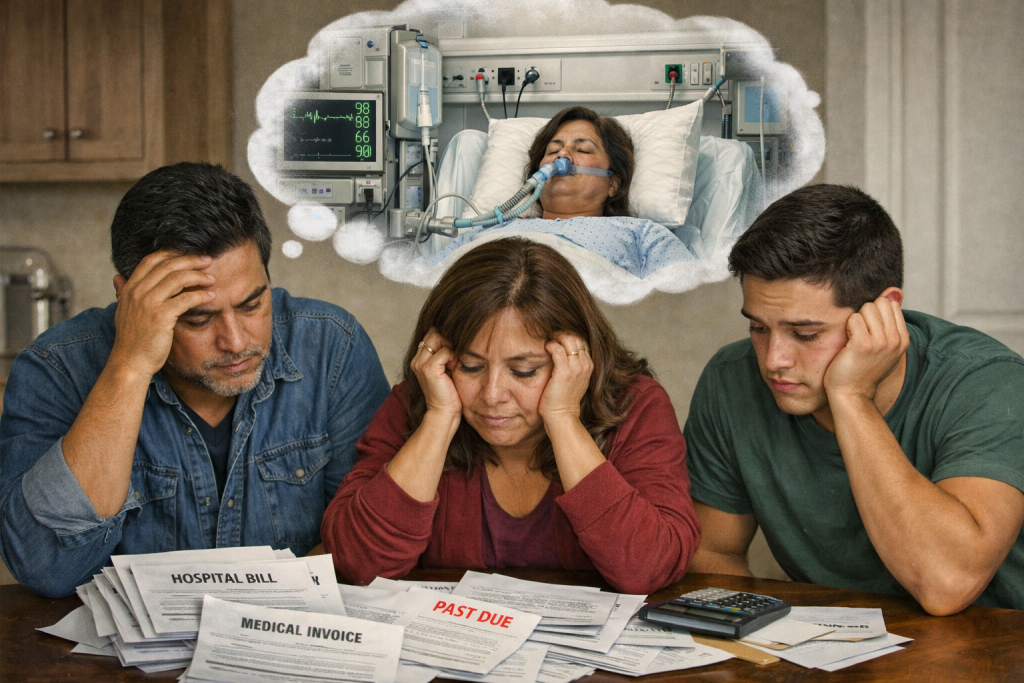
- They call because the medical bills and the cost of lifetime care quickly exceed $1 million.
The Reality of The Fight
The blunt truth that many firms won’t say out loud is this: crashworthiness cases are expensive, technical, and adversarial by design. The defense will have engineers, biomechanical experts, and a paper trail built to make failure look like fate.
The victim’s side needs the rare combination of trial experience, scientific literacy, and resources to preserve and test evidence before it disappears. That is why the field is small, and why reputation matters.
Todd Tracy’s public résumé, marked by decades of practice, a physics background, repeated recognition in attorney-rating publications, and widely reported multi-million-dollar verdicts, ripples through industry conversations about safety and repair standards.
The Question Every Family Asks
The question that families ask themselves in private is this:
Can this lawyer actually take on a national or international company that can afford to deny, delay, and defend the case forever?
The Practical Takeaway
If the person reading this is holding a death certificate or a new diagnosis that has changed every future plan, the practical takeaway is straightforward:
Preserve the vehicle. Preserve the data. Preserve the truth that lives in metal and glass.
Then talk to a lawyer who knows how to read that truth and prove it to a jury of twelve strangers.
Act Before The Evidence Disappears
The Tracy Law Firm, based in Dallas, invites families to contact Todd Tracy for a free review of a deadly or life-altering vehicle crash
ACT NOW TO PRESERVE THE EVIDENCE OF A SAFETY DEFECT
Questions:
What is the central question Tracy tries to answer after a serious crash?
He focuses on whether the crash should have been survivable—and whether a vehicle’s design, safety systems, or repair history failed in ways that caused death or life-changing injury.
How does crashworthiness law differ from ordinary accident cases?
Rather than centering on who caused the collision, it centers on what caused the injuries or death—whether the vehicle protected occupants as engineering and safety rules assume it will.
What methods does Tracy use to persuade juries?
He translates complex engineering into understandable proof through physics-based explanations, biomechanical concepts, forensic documentation, and demonstrative crash testing—often described as “out testing” manufacturers.
What did the Seebachan case illustrate about vehicle repairs?
It argued that an improper roof repair undermined crashworthiness, turning a collision into a catastrophic fire, and the verdict suggested that hidden deviations from repair procedures can have deadly consequences.
What practical advice does the article give families after a fatal or life-altering crash?
Move quickly to preserve the vehicle, preserve any data, and preserve the physical evidence—because crashworthiness cases depend on technical proof that can disappear if the wreckage is altered, destroyed, or released.